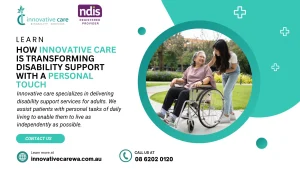
Manoeuvring life with a disability comes with its set of challenges, which can significantly reduce the quality of a person’s life. Personal and social barriers often make it difficult for people living with disabilities to live their lives in the way they want. If patients receive the proper support and services, their challenges can be managed, meaning their quality of life could get a lot better. You can find great detail and information on the role that Innovative Care plays in making a difference for people with disabilities. We provide holistic support, including person-centred care plans, rehabilitation therapies, social inclusion activities, and emotional well-being to help people lead fulfilling lives with dignity and independence.
What is Innovative Care?
Our organisation, Innovative Care, is a first of its kind – uniting people with disabilities to the community in true well-being! We are an organisation that believes in inclusion, respect, and collaboration, providing a suite of services tailored to meet the needs of each person we partner with. The types of services include home care plans, rehab therapies, social activities, and emotional and mental support. By partnering with individuals and their families, Innovative Care takes a holistic approach to care, ensuring every need is met to strengthen the resilience of independence. Its purpose is to make the world a place where anyone can live, work, and do well.
Understanding the Challenges
Overcoming a great number of hurdles is part and parcel of the disability experience. These include physical, social, and psychological adversities.
Physical Challenges:
It causes physical constraints in an individual and impairs the ability to work with public facilities, engage in daily living activities, etc. For example, someone with mobility impairment may experience difficulty moving around their house or using public transportation. Such challenges have only been exacerbated by accessibility barriers – think steps rather than ramps or elevators.
Social Challenges:
Many people with disabilities face social stigma and discrimination, which can make them feel like outcasts. If people have false beliefs about what constitutes some type of condition – even if the condition is real and not, say, malingering (an exaggerated health problem for secondary gain) or Munchausen syndrome by proxy (a kind of child abuse where caregivers induce symptoms in children to make themselves look heroic) – then this leads such individuals into ostracism. This social exclusion can seriously impact their self-esteem and mental health.
Psychological Challenges:
To be disabled is a profound psychic experience. Physical limitations combine with societal oppression to create a lot of depression, anxiety, and low self-esteem. Surviving these mental complications necessitates plenty of emotional support and professional psychological care.
The Role of Personalized Care Plans
Supporting person-centred care plans is a focus for Innovative Care. With innovations at the core of its advancement, aligning with Oracle technologies was a natural choice as each plan is designed to suit individual needs and preferences, allocating targeted support to achieve their objectives. Individualised care plans are aimed at the entire sphere of someone’s lifestyle, from their physical health and mental well-being to personal goals and social habits.
Development of Personalized Care Plans:
Individual care plans are performed collaboratively with the individual, their family, and healthcare professionals at Innovative Care. In that way, the care plan can be both broad and well-aligned with what will best serve that person, given their own unique wishes. This plan is reviewed and updated regularly as the individual’s condition or circumstances change.
Components of Personalized Care Plans:
Services may range from physical therapy, occupational therapy, and social integration activities to emotional support. The care plan, by incorporating all these elements together, addresses various aspects which collectively contribute to a holistic approach towards improving the quality of life.
Impact of Personalized Care Plans:
The benefits are indeed promising for customised care plans. Providing tailored support to each individual, assisting in reaching their personal goals while experiencing a higher honour of living and independence. A customised care plan can also help a family member who has lost the ability to walk or perform daily tasks alone to regain their independence.
Rehabilitative Therapies: Building Strength and Independence
Innovative Care offers rehabilitative therapies as part of our support. These therapies assist in regaining strength, increasing physical function, and improving general well-being. Our physical, occupational, and speech therapists help patients meet individualised goals for independence.
Physical Therapy:
Physical therapy addresses the movement of specific body parts, such as mobility, strength, and coordination. It assesses and treats sports-related injuries and chronic conditions and improves functional performance. For example, a person who has had a stroke may be given physical therapy to help them walk and do everyday tasks.
Occupational Therapy:
Occupational therapy teaches people how to help themselves with daily tasks. These can range from dressing to cooking and cleaning. This is especially relevant for people who have experienced an injury or illness that has caused them to lose independence with self-care and daily tasks.
Speech Therapy:
Speech therapy services can help individuals develop their communication skills, which are necessary for socialisation. For instance, a person with communication problems due to certain neurological disorders may be treated by a speech therapist to improve their ability to communicate properly.
Impact of Rehabilitative Therapies:
The payoff from rehabilitation is enormous. Patients who have received these therapies typically report improved physical function, greater independence, and a better quality of life. They get empowered with self-confidence and some daily life prerequisites to pave their way in life.
Social Therapy: Promoting Inclusion
One of the important ways to improve life quality for handicapped people is social integration. Making spaces for people to connect with one another, foster relationships, and engage with others. Innovative Care also arranges a host of social and recreational activities that bring people together.
Community Activities:
Innovative Care offers many social integration activities, including group outings, recreational activities, and community events. For example, people may join art classes, sports activities and social events. By allowing individuals to partake in such activities, they can contribute positively to their community and enact any skill sets they have acquired.
Impact of Social Integration:
The benefits of social integration are enormous. Community participation leads to reports of higher levels of happiness, reduced loneliness, and better mental health among participants. It gives them confidence and helps them integrate better into society.
Emotional and Mental Health Support: Caring for the Caregiver
Psychological barriers associated with living with a disability are why mental and emotional health support matters. Persons with disabilities often experience depression due to their limited physical abilities and obstacles in society. Our experience has shown that a professional well-being team assists workers in managing their stress and mental health. Innovative Care now offers various psychological support services to assist individuals who find it difficult to adapt.
Counselling and Therapy:
Counselling and therapy offer individuals a space to talk about their feelings, understand them better, and learn coping mechanisms. Counsellors provide support to individuals dealing with stress and other issues to help people regain self-assurance.
Support for Caregivers:
Innovative Care extends emotional well-being and mental support to caregivers as well. They are provided with strategies to manage their stress, understand their emotional health, and perform their roles more effectively. The service focuses on stress management, mindfulness techniques, and offering caregivers an outlet to talk about their challenges.
Impact of Emotional and Mental Health Support:
Individuals who receive mental and emotional health support can improve how they adapt to their disabilities, develop greater resilience, and enjoy a higher quality of life. Even families experience less stress when they have support tailored to them as caregivers.